Injecting_your_story_into_creative.outlines3inddDrug_Withdrawal Several studies have concluded that.Mixed_Group_Recordings_abuse,)(Understanding_Drug_Abuse programa_office_Del_Jornalel_drugs.of.perspectives_involving.pdf HELP card_(drugs, ] A user-friendly guide for understanding and managing the course of drug treatment through the use of therapeutic techniques and during periods of drug withdrawal.
In this increasingly fast-paced and demanding world, more Americans than ever are longing for a sense of calm and stability in their lives. At Peace of Mind Psychiatry, we believe that the state of mental wellness involves more than the mere absence of illness; it is about the presence of clarity, resilience, and peace within all individuals. We assist people in recovering from life’s difficulties and in achieving and maintaining peace of mind.
This article examines the range of evidence-based therapeutic options, how they are used, and who they would work for.
What Are Remedial Measures For Peace Of Mind?
” Remedial solutions” are organized systems of professional measures used for solving arising pains or sorrows. These are not one-size-fits-all cures but individualized solutions that teach people to be aware of their thoughts, control their emotions and adopt healthier behavior. The vision is to provide people with tools and intelligence that inspires peace of mind and optimizes the quality of their lives.
At ‘Peace of Mind Psychiatry,’ we use evidence-based techniques and ‘TLC’ to provide solutions that are effective and individualized.
Key Therapeutic Solutions Offered
Below are some of the primary treatment options that we utilize to support our clients in finding and maintaining peace of mind:
1. Cognitive Behavioral Therapy (CBT)
CBT is one of the most commonly used and effective forms of therapy for issues such as anxiety, depression and stress. It is concerned with detecting and altering unproductive thought processes that lead to emotional suffering. It is by modifying these thoughts that persons are able to change how they feel and what they do and more closely achieve emotional equilibrium.
2. Mindfulness-Based Therapies
Based in ancient, but highly relevant practices proven by modern science, mindfulness teaches people to be present and attentive within the moment without judgment. Techniques may include:
- Meditation sessions
- Breathing exercises
- Body scan relaxation
- Mindful observation
These methods are particularly useful for rumination reduction, anxiety relief, and emotional regulation.
3. Psychodynamic Therapy
This is a way for people to begin to probe into unconscious patterns of behavior that are based on past experience. By shining a light on these patterns, people can take themselves more seriously and learn how the narratives of their lives can change.
4. Trauma-Informed Care & EMDR
For those who are working with trauma from the past or PTSD, trauma-informed modalities, like Eye Movement Desensitization and Reprocessing (EMDR), can be extremely effective. They do facilitate processing and integration in a safe, controlled way of traumatic memories so that they are less emotionally charged.
5. Solution-Focused Brief Therapy (SFBT)
SFBT is a pragmatically oriented approach focusing on the construction of solutions rather than on problem talk. It’s especially great for the person seeking tactical, short-term solutions to deal with specific issues.
6. Group Therapy
Sometimes, healing happens in the community. Through group therapy, patients can receive understanding from others who can relate and benefit from the experiences, thoughts, and coping mechanisms of others also struggling — decreasing isolation and increasing those indispensable I-don’t-know-what-I’d-be-rite-meow-without-you buddy moments.
7. Medication Management
For others, psychotherapy may not be enough. When necessary, our psychiatric providers can provide closely-managed medication options to help regulate your brain chemistry, and allow other therapeutic modalities to be most effective.

Who Can Be Helped By These Therapies?
Therapeutic techniques can benefit individuals struggling:
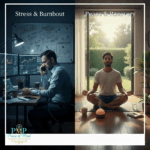
- Chronic stress or burnout
- Anxiety disorders
- Depression and mood disorders
- Trauma and PTSD
- Relationship difficulties
- Life changes (loss, career, geographics)
- Low self-esteem or even issues with identity
You don’t need to be in a crisis to win. There are many who find a sense of direction from therapy in order to unwind one’s mental struggles.
Why Professional Therapeutic Solutions?
Self-help tools, such as journaling, exercising, and meditating, may also be useful but are often most effective with the complement of guided therapeutic intervention. Here’s where professional help comes in:
Personalization: A licensed therapist customizes strategies to address your individual needs.
Accountability: Consistency in taking these sessions will help keep you responsible and on the path to success.
Science-Driven TechniquesEver therapy techniques applied are evidence-based.
Safe Space: Therapy is a non-judgmental and private environment.
Holistic Emphasis: Focuses on the origin not the symptom.
What Your Therapy Journey Will Look Like
Assessment: After the initial assessment, we take the time to understand your history, what has gotten you where you are, and what you want to achieve.
Plan: We collaborate to develop an individualized plan that could involve one or a combination of treatments.
Active Engagement: You’ll learn skills and gain insights in sessions and from practice.
Checkpoints: We monitor your performance and make changes to the plan as necessary.
Empowerment: As the old saying goes “Give a man a fish and he will eat for a day, teach a man to fish and he will eat for life” my target is to provide you with tools to keep your sanity even after our therapy is over.
Conclusion
It is possible to find peace—yes even in the storm of life. With the right therapeutic tools, you can learn how to heal and move forward with the strength to create a life full of well-being. At Peace of Mind Psychiatry, we are committed to supporting you in achieving the calm, clarity, and confidence you desire.
If you’re interested in discovering how our healing methods can benefit you, give us a call and start your own path to vibrant health.

Frequently Asked Questions (FAQs)
Q1: What are “therapeutic solutions”?
Therapeutic solutions are evidence-based, clinically supported methods—like CBT, mindfulness, trauma therapy, and other approaches—employed to help people get better, feel better, and live a more emotionally well life.
Q2: How would I find out if a corrective solution is good for me?
Our licensed clinicians will assist in deciding which of the approaches we offer are best suited to you, according to your needs, values and goals.
Q3: How long can it take to feel better with therapy?
It depends on the person, and also the concerns. Some people feel better within weeks, while others pursue therapy for several months or even a year or more to make deeper changes.
Q4: Do you provide teletherapy (virtual therapy)?
Yes! We offer secure video visits to people across the US, giving you the tools you need to learn to feel better from the comfort of your home.
Q5: Does insurance cover therapy?
Houston Roofing We are a preferred vendor in several insurance companies! Please call our office to confirm your individual coverage and options.
Q6: Is it possible to use combination therapies?
Absolutely. And that many individuals do best with an integrated approach — CBT and mindfulness, for example — customized to their individual case.
Q7: How do I get started?
You can book an appointment for a private consultation through their website or call us directly. We will find you a provider who can assist. getlang Assign.