Discover strategies to reclaim your life from Narcissistic Personality Disorder‘s grip and foster personal empowerment. Have you ever felt caught in a whirlwind of someone else’s demanding needs, constant self-admiration, and apparent disregard for your feelings? The term “narcissist” is thrown around often, but Narcissistic Personality Disorder (NPD) is a specific, complex mental health condition that goes far beyond simple vanity or selfishness. It’s a deeply ingrained pattern of thought and behavior that can profoundly impact relationships and personal well-being.
At PeaceOfMind Psychiatry & Wellness, we aim to demystify mental health conditions, fostering understanding and guiding individuals toward healing. Let’s delve into what NPD truly is, looking beyond the surface to understand its core characteristics and impact.
What is Narcissistic Personality Disorder (NPD)?
Narcissistic Personality Disorder is characterized by a pervasive pattern of grandiosity, a persistent need for admiration, and a profound lack of empathy. It’s not just about being self-absorbed; it’s a personality disorder that shapes how an individual perceives themselves and interacts with the world.
The DSM-5 outlines specific criteria for diagnosis, and these traits manifest consistently across various situations, causing significant distress or impairment in functioning.
Understanding the Traits of NPD
The Challenges of Living with Narcissistic Personality disorder: Navigating Relationships and Personal Struggles
Individuals with NPD often present with a cluster of these behaviors:
- An Exaggerated Sense of Self-Importance: They believe they are superior, unique, or “special” and expect others to recognize this without necessarily having commensurate achievements.
- Fantasies of Unlimited Success, Power, or Beauty: They may live in a world of idealized self-image, detached from reality.
- A Constant Need for Admiration: Their self-esteem is often fragile, requiring a steady stream of praise and validation from others.
- Sense of Entitlement: They believe they deserve special treatment and that rules don’t fully apply to them.
- Exploitative Relationships: They may take advantage of others to achieve their own goals, often without acknowledging the harm they cause.
- Lack of Empathy: This is a hallmark trait. They struggle to recognize or share the feelings and needs of others, making genuine emotional connection challenging.
- Arrogant or Haughty Behaviors: They often come across as condescending or disdainful.
- Envy: They may be envious of others or believe others are envious of them.
The Vulnerable Core
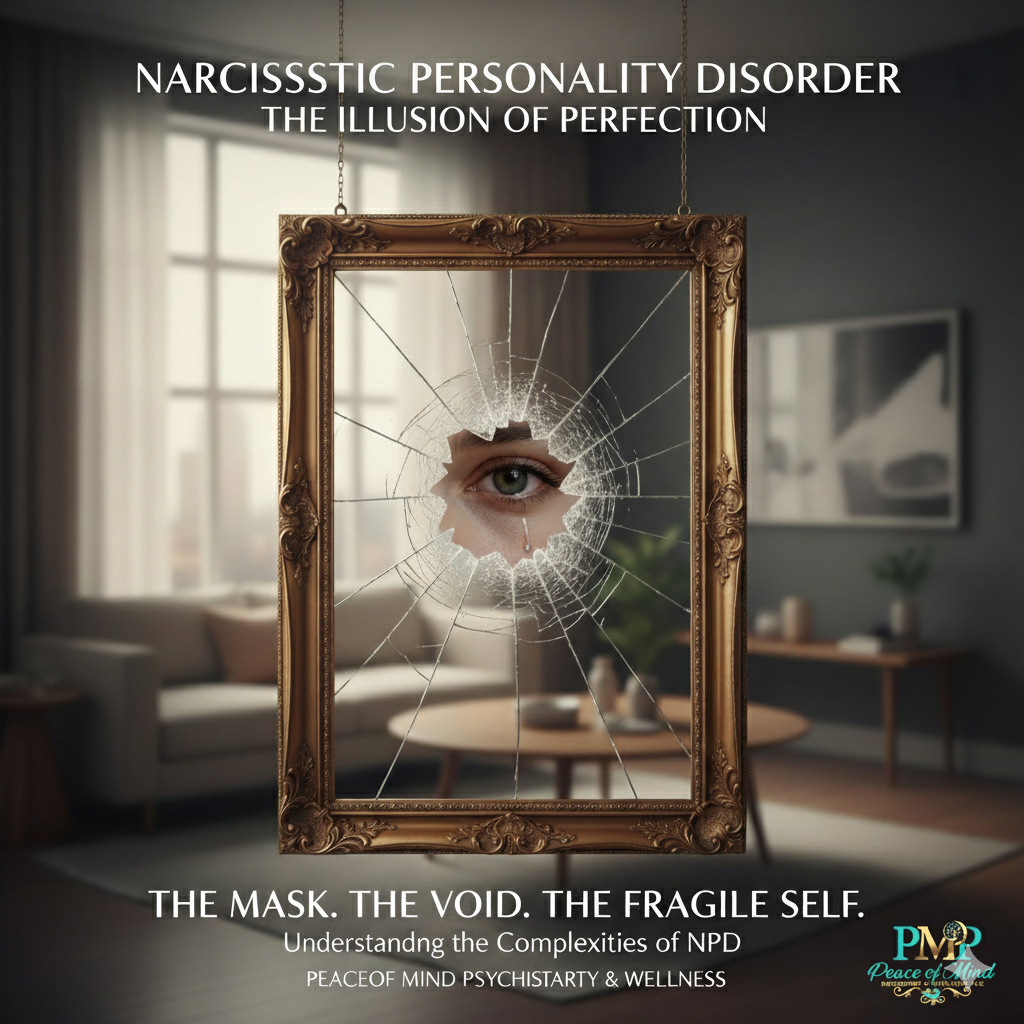
It’s crucial to understand that beneath the often grandiose and seemingly impenetrable exterior of someone with NPD lies an extremely fragile sense of self-worth. Any perceived criticism, slight, or failure can trigger intense feelings of shame, humiliation, and rage. This deep-seated insecurity is often what drives their need for external validation and their defensive, sometimes aggressive, reactions.
The Impact on Loved Ones
Being in a relationship with someone who has NPD can be emotionally exhausting and damaging. Partners, family members, and friends often experience:
- Feeling devalued or invisible.
- Constant criticism or gaslighting.
- Emotional manipulation and exploitation.
- A profound sense of loneliness within the relationship.
Finding a Path Forward
NPD is challenging to treat because individuals with the disorder rarely believe they have a problem. They may seek help for co-occurring issues like depression, anxiety, or relationship conflicts that arise from their behaviors.
Therapy, particularly specialized approaches, can help individuals with NPD:
- Develop a more realistic and stable sense of self-esteem.
- Learn to regulate emotions.
- Improve empathy and relational skills.
- Understand the impact of their actions on others.
For those affected by a loved one with NPD, therapy and support groups can provide vital tools for setting boundaries, recovering from emotional abuse, and prioritizing their own mental health.
We Are Here to Help
At PeaceOfMind Psychiatry & Wellness, we offer a compassionate and expert approach to understanding and managing complex mental health conditions like NPD. Whether you are struggling with these patterns yourself or are impacted by someone who exhibits them, our team is here to provide confidential assessments, personalized treatment strategies, and supportive care.
You don’t have to face this alone. Reach out to PeaceOfMind Psychiatry & Wellness today for a consultation. Call Us at 763-544-8933